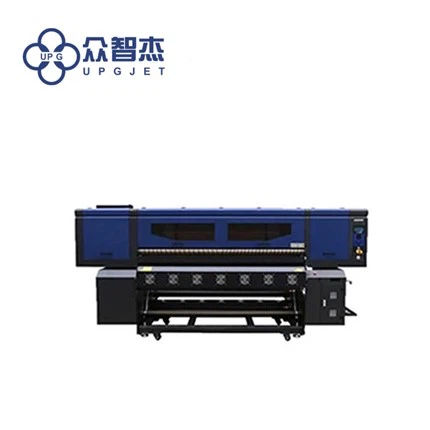


Sublimation printing, a process that uses heat to transfer dye onto various materials, has become increasingly popular in recent years due to its ability to produce high - quality, vibrant prints. As a supplier of sublimation printers, including the 1.9 Meter Professional Sublimation Printer and Heat Transfer Printer, I am well - aware of the technology's growing demand. However, it's crucial to examine the environmental impacts of this printing method.
Energy Consumption
One of the primary environmental concerns related to sublimation printing is energy consumption. The process involves heating the ink until it sublimates (changes from a solid to a gas) and then transferring it onto the substrate. This heating requires a significant amount of energy, especially in large - scale operations.
Industrial sublimation printers, like our 1.9 - meter professional models, are designed for high - volume production. These machines need to maintain high temperatures consistently during the printing process. Energy consumption can be a major factor in the overall carbon footprint of a printing facility. To mitigate this, some modern sublimation printers are being developed with energy - efficient features. For example, they may use advanced heating elements that heat up more quickly and maintain a stable temperature with less energy. Additionally, some printers have built - in sensors that can adjust the energy usage based on the printing task at hand, reducing waste.


However, despite these improvements, the energy requirements of sublimation printing remain relatively high compared to some other printing methods. This is an area where the industry as a whole needs to continue to invest in research and development to find more sustainable solutions.
Ink and Chemicals
The inks used in sublimation printing are another significant environmental concern. Sublimation inks are typically made from synthetic dyes that contain various chemicals. Some of these chemicals can be harmful to the environment if not properly managed.
For instance, certain dyes may contain heavy metals or other toxic substances. When these inks are used in large quantities, there is a risk of contamination. During the printing process, some of the ink may not be fully transferred onto the substrate and can end up in the air or on the printing equipment. If not cleaned up properly, these residues can find their way into the environment.
Moreover, the disposal of unused or expired inks is a challenge. These inks cannot be simply poured down the drain or thrown in the trash due to their chemical composition. Specialized disposal methods are required, which can be costly and complex. As a supplier, we are committed to working with ink manufacturers to develop more environmentally friendly inks. Some inks are now being formulated with biodegradable components, which can break down more easily in the environment.
Waste Generation
Waste generation is another aspect of the environmental impact of sublimation printing. There are several types of waste associated with this process. Firstly, there is the waste of substrate material. During the printing process, mistakes can occur, such as misaligned prints or color issues. When this happens, the printed substrate often has to be discarded.
Secondly, there is waste from the printing consumables. For example, the transfer paper used in sublimation printing is typically single - use. After the ink has been transferred to the substrate, the paper is no longer usable and becomes waste. Additionally, the cleaning materials used to maintain the printing equipment, such as wipes and solvents, also contribute to the waste stream.
To address these issues, some companies are exploring ways to recycle or reuse the waste materials. For example, the substrate materials can sometimes be recycled if they are made from certain types of polymers. The transfer paper can also be processed in some recycling facilities, although this is not yet a widespread practice.
Air Quality
The sublimation process involves the release of gases as the ink changes from a solid to a gas. These gases can have an impact on air quality, especially in enclosed printing facilities. The fumes released during sublimation may contain volatile organic compounds (VOCs) and other pollutants.
Exposure to these pollutants can be harmful to the health of the workers in the printing facility. In addition, if the fumes are not properly ventilated, they can be released into the surrounding environment. To combat this, proper ventilation systems are essential in sublimation printing facilities. These systems should be designed to capture and filter the fumes before they are released into the air.
Some modern printers are also being developed with built - in air filtration systems. These systems can help to reduce the amount of pollutants released during the printing process. However, it is still important for printing facilities to adhere to strict air quality regulations to minimize the impact on the environment and human health.
Positive Environmental Aspects
Despite the environmental challenges associated with sublimation printing, there are also some positive aspects. One of the main advantages is the durability of the prints. Sublimation prints are known for their long - lasting color and resistance to fading. This means that products printed using sublimation are less likely to need to be replaced due to wear and tear, reducing the overall consumption of materials in the long run.
In addition, sublimation printing can be used on a wide variety of materials, including synthetic fabrics and plastics. This versatility allows for the creation of products that can be reused or recycled easily, depending on the material. For example, sublimation - printed fabrics can be used in clothing, home decor, and outdoor gear, which can have a long lifespan.
Towards a More Sustainable Future
As a sublimation printer supplier, we understand the importance of addressing the environmental impacts of our products. We are actively working with our customers and partners to promote sustainable practices in sublimation printing.
One of our initiatives is to provide more information and training to our customers on how to operate their printers in an energy - efficient and environmentally friendly manner. This includes tips on proper maintenance, reducing waste, and using the latest inks and consumables that are more sustainable.
We are also encouraging research and development in the industry to find new ways to reduce the environmental impact. This includes investing in new technologies for energy - efficient heating, developing more biodegradable inks, and improving the recyclability of printing materials.
Conclusion
Sublimation printing has both positive and negative environmental impacts. While it offers high - quality, durable prints and can be used on a variety of materials, it also has challenges in terms of energy consumption, ink and chemical usage, waste generation, and air quality.
As a supplier, we are committed to playing our part in minimizing these environmental impacts. By working with our customers, partners, and the wider industry, we believe that we can make sublimation printing a more sustainable option.
If you are interested in our sublimation printers, such as the 1.9 Meter Professional Sublimation Printer or Heat Transfer Printer, and would like to discuss how we can work together to achieve more sustainable printing practices, please feel free to contact us. We look forward to the opportunity to engage in a productive conversation and explore potential partnerships for your printing needs.
References
- "The Environmental Impact of Printing Technologies" - A research paper on various printing methods and their environmental footprints.
- "Sustainable Practices in the Textile Printing Industry" - An industry report highlighting ways to reduce the environmental impact of textile printing, including sublimation.
- Manufacturer's specifications and documentation for sublimation printers and inks, which provide details on energy consumption and chemical composition.