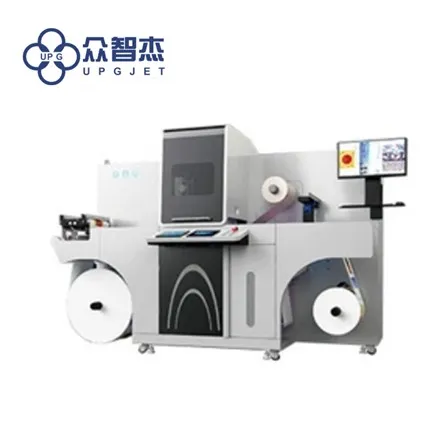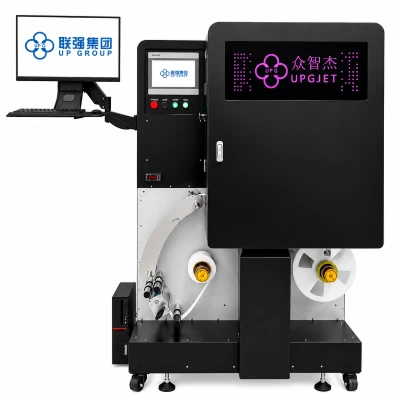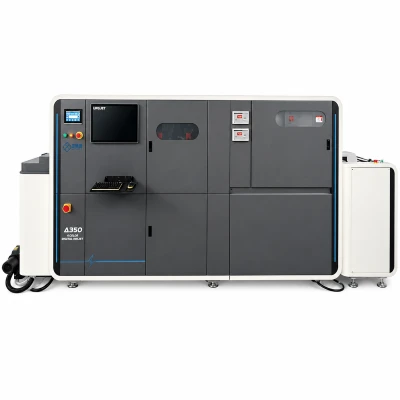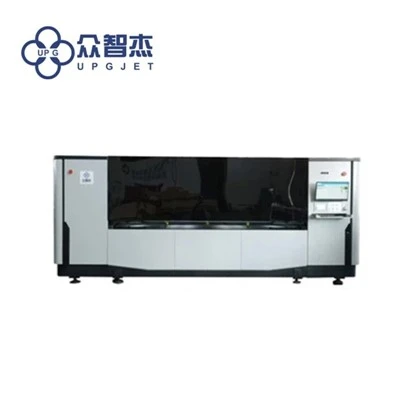

UPG as a professional digital textile printer supplier, committed to providing customers with efficient, accurate and high-quality solutions. Our equipment not only meets production needs, but also has the advantages of low cost and precision manufacturing. We undergo rigorous testing to ensure the stability and durability of our products, thereby achieving low investment and high returns. Most operations can be completed through the touch screen, significantly improving operational convenience and work efficiency. In addition, the equipment is equipped with a complete ink supply system, including automatic white ink stirring and ink shortage alarm functions to ensure continuous and stable operation of the equipment. UPG-Digital has strong independent research and development capabilities, channel advantages and government support. Digital textile printers are our core products,To ensure high quality, all products are strictly controlled during the production process and fully inspected and tested before shipment. No matter you have any product needs or special requirements, please feel free to contact us at any time, we will provide you with professional pre-sales and after-sales services.
-
![Pet Film Ink Jet Digital DTF Printer]() Pet Film Ink Jet Digital DTF Printer-General matchingview more
Pet Film Ink Jet Digital DTF Printer-General matchingview more
-Simple and easy to use, save labor
-24 hours stable production, Sustainable work -
![1.9 Meter Professional Sublimation Printer]() 1.9 Meter Professional Sublimation Printer-Servo Motor: LEADSHINE (Famous Brand in China)/The 1.9 meter professional sublimation printerview more
1.9 Meter Professional Sublimation Printer-Servo Motor: LEADSHINE (Famous Brand in China)/The 1.9 meter professional sublimation printerview more
-Guide Line: HIWIN (Famous Brand in China) or THK (Famous Brand in Japan)
-Cartridge:... -
![Heat Transfer Printer]() Heat Transfer Printer-Control & panel Many operations can be done on the touch screen, Make your operation of the machine more convenient and improve work efficiency.view more
Heat Transfer Printer-Control & panel Many operations can be done on the touch screen, Make your operation of the machine more convenient and improve work efficiency.view more
-Ink supply & recycle system Automatic... -
![3.2 Meter Heat Press Machine]() 3.2 Meter Heat Press Machine-The combination of an adjustable belt tension with an electricalview more
3.2 Meter Heat Press Machine-The combination of an adjustable belt tension with an electricalview more
-3.2 Meter Heat Press Machine is easy to operate and saves labour


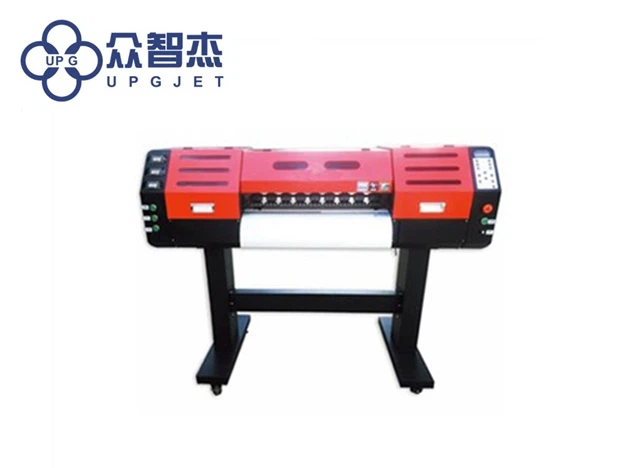
What Is Digital Textile Printer?
Digital textile printing machines are a revolutionary technology in the ever evolving field of textile manufacturing in today's times. This state-of-the-art machine has changed the way fabrics are designed, printed and produced, offering high levels of precision, efficiency and versatility. A digital textile printer is a specially designed printer that uses digital technology to print directly onto fabric. Unlike traditional textile printing methods which require multiple steps and a lot of manual labour, digital textile printing simplifies the printing process and makes it easy to print intricate designs and vibrant colours directly onto fabric.
What Are Advantages Of Digital Textile Printer ?
Precision and quality
One of the most significant advantages of digital textile printers is the high level of precision and quality. Digital textile printers, on the other hand, use advanced inkjet technology to produce high-resolution prints with outstanding clarity and detail. Even the most complex patterns and vibrant colours are rendered with precision, resulting in the best possible end product.
Customisation and flexibility
Digital textile printers offer unprecedented customisation and flexibility, allowing easy switching between patterns and colours with minimal set-up time. This flexibility allows for small batch customised production without extensive preparation, making it ideal for bespoke designs and limited edition collections. In addition, digital printing promotes creativity and innovation by allowing designers to try out new ideas and adapt them quickly.
Cost-effectiveness
While the initial investment in a digital textile printer may be higher than traditional equipment, the long-term cost savings can be significant. Digital printing eliminates the need for screens, plates and other consumables associated with traditional methods, thus reducing material costs. In addition, the ability to print on demand minimises waste and inventory costs by eliminating the need to produce large quantities of fabrics in advance, and this on-demand mode of production also reduces the risk of overproduction and inventory sell-through. This on-demand production model also reduces the risk of overproduction and inventory obsolescence, resulting in improved operational efficiency and sustainability.
Environmental Advantages
Digital textile printers are more environmentally friendly than traditional printing methods. In contrast to traditional techniques, which often require the use of large amounts of water, chemicals and dyes that cause serious environmental pollution, digital printing uses water-based inks that require a very small amount of water during the printing process, resulting in lower water consumption and less chemical waste. In addition, the precise application of inks in digital printing minimises dye loss and fabric waste, helping to achieve a more sustainable and environmentally friendly production process.
Speed and efficiency
The speed and efficiency of digital textile printers is another significant advantage. Traditional printing methods can be very time-consuming, especially when working with complex designs or multiple colours. Digital printers simplify the process by printing directly onto the fabric without intermediate steps such as screen preparation or colour separation. This direct method significantly reduces production time, resulting in faster turnaround and shorter time-to-market, so organisations can respond more quickly to changing trends and customer demands.
Versatile
Digital textile printers are extremely versatile, capable of printing on a wide range of fabrics including cotton, silk, polyester and blends. This versatility opens up new possibilities for designers and manufacturers to explore different materials and create a diverse range of products. Whether it's fashion apparel, home textiles or bespoke accessories, digital printing can be adapted to a wide range of applications, making it an important tool for the textile industry.Translated with www.DeepL.com/Translator (free version)
Types Of Digital Textile Printer
Ink Jet Digital
Common materials can be printed:Hats, cloth bags, T-shirts, ready-to-wear cloth, children's clothing. Printing without pressure.
High Speed Digital Sublimation
Servo Motor: LEADSHINE (Famous Brand in China)
Guide Line: HIWIN (Famous Brand in China) or THK (Famous Brand in Japan)
Cartridge: Original Import (Clean, Pump and Moisturize Automatically)
Main Board: Design and Produced by ourselves, it is stability and 15Months Warranty time
Ink Supply System: Bulk Ink Continues Supply System.
Heat Transfer Machine
Control & panel Many operations can be done on the touch screen, Make your operation of the machine more convenient and improve work efficiency.
Ink supply & recycle system Automatic stirring system for white ink and lacking ink alarming system. Making sure non-stop working, together with alarm function for ink shortage.
Specification Of Digital Textile Printer
| Model | Print Head | Speed | Ink | Resolution | RIP Software | Power | Machine Dimension | Machine Weight |
| FC-620 | EPSON i3200 Print Heads 2pcs | 12.8㎡/h 4pass | CMYK+W | 6.4㎡/h 8pass | MLK RIP or Third Party | AC110/220V,50Hz/60Hz | 1560L*700W*1360H(mm) | 129KG |
| LQ-DM6198E | 8 EPSON Original I3200-A1 Heads | 1pass: 370 Sqm/Hr 2pass: 185 Sqm/Hr |
Double C M Y K | 3200DPI | MAINTOP6.0, PHOTOPRINT, ONYX, NEOSTAMPA | 50HZ/60HZ, 220V, 10A | 3710*3500*1940mm | 400KG |
| LQ-MD5328E | 8 EPSON Original I3200-A1 Heads | 1pass: 420 Sqm/Hr 2pass: 210 Sqm/Hr |
Double C M Y K | 3200DPI | MAINTOP6.0, PHOTOPRINT, ONYX, NEOSTAMPA | 50HZ/60HZ, 220V, 210-230 VAC | 5140*1350*1850mm | 400KG |
| LQ-MD 7020DH | EPS 3200×2PCS | High speed: 16㎡/h Product speed: 13㎡/h Precision speed: 10㎡/h |
4 color (K, C, M, Y)+W | 720×2880 dpi | -------- | 50-60Hz, AC220V (±10%) | 1630×780×1300mm | -------- |
Application Of Digital Textile Printe


FAQ
Q: What is the difference between traditional and digital textile printing?
Q: What is digital printing in textile?
Q: What are the 4 main textile printing techniques?
Q: What is the difference between screen printing and digital textile printing?
Q: What is the phenomena of ink running?
Q: Why does the phenomenon of ink running occur?
Q: The paper feeding of label printer is unnormal:
Q: The label printer cannot locate the small labels properly when printing them:
Q: The font is clear except bar code when label printer is printing:
Q: The content cannot be printed completely in label printer:
Q: The label printer often skips paper:
Q: The label printer has a line missing in the vertical direction during printing:
Q: Correct preservation of corrugated board:
Q: Improper color sequence of carton printing:
Q: The plate making contact of the carton printer is too tight or too loose, resulting in dirty plate, paste plate or partial imprinting.
Q: UV printer broken ink:
Q: UV printer printing pattern blur:
Q: UV printer single or all printheads can not normal inkjet:
Q: UV printer car running around uneven, resulting in blurred print picture:
Q:There is no breakpoint in the ink line of the inkjet printer:
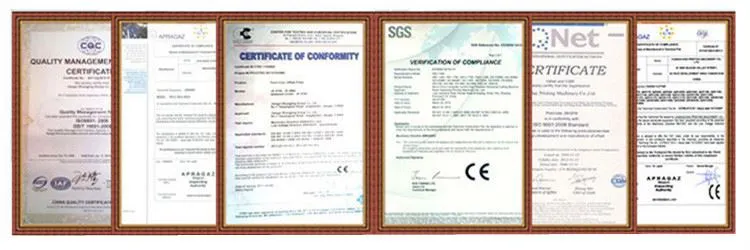
Certificate
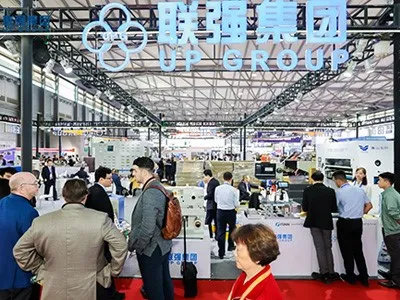
Exhibition
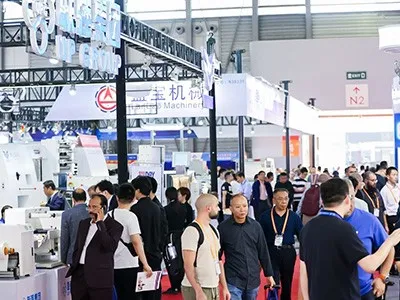
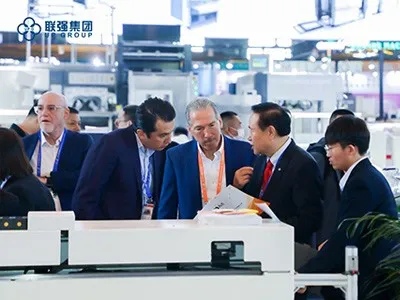
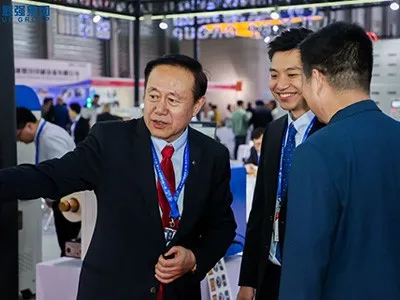
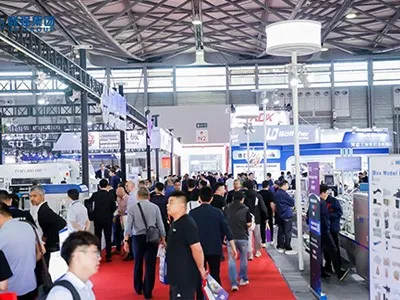

We're well-known as one of the leading digital textile printer manufacturers and suppliers in China. Please feel free to buy customized digital textile printer from our factory. For quotation and free sample, contact us now.