

Encoding data on RFID tags is a crucial process that enables these small, yet powerful devices to store and transmit valuable information. As an RFID supplier, I've witnessed firsthand the growing importance of RFID technology across various industries, from retail and logistics to healthcare and manufacturing. In this blog post, I'll share insights on how to encode data on RFID tags, covering everything from the basic principles to advanced techniques.

Understanding RFID Tags and Encoding
RFID, or Radio Frequency Identification, is a technology that uses electromagnetic fields to automatically identify and track tags attached to objects. These tags consist of a microchip and an antenna, which can communicate with an RFID reader using radio waves. The microchip stores data, and the antenna enables the transmission of this data to the reader.
Encoding data on an RFID tag involves writing specific information onto the tag's microchip. This data can include product details, serial numbers, inventory counts, or any other relevant information. The encoding process is typically carried out using an RFID encoder, which is a device that can communicate with the tag and write data to it.
Types of RFID Tags and Encoding Methods
There are several types of RFID tags, each with its own encoding capabilities and requirements. The most common types of RFID tags are passive, active, and semi-passive.
- Passive RFID Tags: These tags do not have an internal power source and rely on the energy from the RFID reader's electromagnetic field to operate. Passive tags are typically less expensive and have a shorter read range compared to active tags. They are commonly used in applications such as inventory management, access control, and supply chain tracking. The encoding process for passive tags is relatively simple and can be done using a basic RFID encoder.
- Active RFID Tags: Active tags have an internal power source, such as a battery, which allows them to transmit signals over longer distances and at higher frequencies. Active tags are more expensive and have a longer battery life compared to passive tags. They are commonly used in applications such as asset tracking, vehicle tracking, and real-time location systems. The encoding process for active tags is more complex and may require specialized equipment and software.
- Semi-Passive RFID Tags: Semi-passive tags have an internal power source for powering the microchip, but they rely on the energy from the RFID reader's electromagnetic field to transmit signals. Semi-passive tags combine the features of passive and active tags, offering a longer read range and higher performance compared to passive tags. The encoding process for semi-passive tags is similar to that of passive tags but may require more advanced encoding techniques.
Steps to Encode Data on RFID Tags
The process of encoding data on RFID tags typically involves the following steps:
- Select the Right RFID Tag: The first step is to choose the appropriate RFID tag for your application. Consider factors such as the read range, data storage capacity, environmental conditions, and cost. Different types of tags have different encoding capabilities, so it's important to select a tag that meets your specific requirements.
- Choose an RFID Encoder: Once you have selected the RFID tag, you need to choose an RFID encoder that is compatible with the tag. The encoder should be able to communicate with the tag using the appropriate frequency and protocol. There are several types of RFID encoders available, including handheld, desktop, and industrial-grade encoders. Choose an encoder that suits your encoding needs and budget.
- Prepare the Data: Before encoding the data, you need to prepare it in the correct format. The data should be in a format that is compatible with the RFID tag's encoding scheme. Some common encoding schemes include EPC (Electronic Product Code), ISO 18000, and ISO 15693. You can use software tools to convert your data into the appropriate format.
- Connect the RFID Encoder: Connect the RFID encoder to your computer or other data source using the appropriate cable or interface. Make sure the encoder is properly configured and calibrated before starting the encoding process.
- Place the RFID Tag in the Encoding Area: Place the RFID tag in the encoding area of the RFID encoder. The encoding area is typically a specific area on the encoder where the tag needs to be placed for the encoding process to take place. Make sure the tag is properly aligned and positioned in the encoding area.
- Initiate the Encoding Process: Once the tag is placed in the encoding area, you can initiate the encoding process using the RFID encoder's software or interface. Enter the data you want to encode on the tag and select the appropriate encoding options, such as the encoding scheme, memory bank, and data format.
- Verify the Encoded Data: After the encoding process is complete, you should verify the encoded data on the RFID tag. You can use an RFID reader to read the data from the tag and compare it with the original data. Make sure the data is accurately encoded and readable.
- Test the Encoded Tags: Once you have verified the encoded data, you should test the RFID tags in your actual application environment. Make sure the tags can be read reliably by the RFID readers and that the data can be accurately transmitted and processed.
Advanced Encoding Techniques
In addition to the basic encoding process, there are several advanced encoding techniques that can be used to enhance the functionality and security of RFID tags. Some of these techniques include:
- Encryption: Encryption is the process of converting data into a secret code to protect it from unauthorized access. RFID tags can be encrypted using various encryption algorithms, such as AES (Advanced Encryption Standard). Encryption can help ensure the confidentiality and integrity of the data stored on the RFID tag.
- Password Protection: Password protection is a simple yet effective way to secure the data on RFID tags. RFID tags can be programmed with a password that must be entered before the tag can be read or written to. Password protection can help prevent unauthorized access to the data on the tag.
- Anti-Collision Algorithms: Anti-collision algorithms are used to prevent interference between multiple RFID tags when they are being read simultaneously. These algorithms ensure that each tag is read accurately and that the data is not corrupted. Anti-collision algorithms are particularly important in applications where there are many tags in close proximity to each other.
- Data Compression: Data compression is the process of reducing the size of the data stored on the RFID tag without losing any significant information. Data compression can help increase the storage capacity of the tag and reduce the time required to read and write the data.
Equipment and Tools for RFID Tag Encoding
To encode data on RFID tags, you will need the following equipment and tools:
- RFID Encoder: An RFID encoder is a device that is used to write data onto the RFID tag. There are several types of RFID encoders available, including handheld, desktop, and industrial-grade encoders. Choose an encoder that suits your encoding needs and budget.
- RFID Reader: An RFID reader is a device that is used to read the data from the RFID tag. You can use an RFID reader to verify the encoded data on the tag and to test the tag's functionality.
- Software: You will need software to manage the encoding process and to convert your data into the appropriate format. There are several software tools available that are specifically designed for RFID tag encoding.
- Antenna: An antenna is used to transmit and receive the radio waves between the RFID tag and the RFID encoder or reader. Make sure the antenna is compatible with the frequency and protocol of your RFID tags and equipment.
- Label Printer: If you are using RFID tags with labels, you will need a label printer to print the labels with the appropriate information. Some label printers can also encode the RFID tags at the same time as printing the labels.
Our RFID Products and Solutions
As an RFID supplier, we offer a wide range of RFID products and solutions to meet the needs of various industries. Our products include RFID tags, RFID readers, RFID encoders, and RFID software. We also provide custom RFID solutions tailored to your specific requirements.
One of our popular products is the LQ-MD LC250 RFID High-speed Laminating And Transverse-cutting Machine. This machine is designed for high-speed laminating and transverse-cutting of RFID inlays and labels. It can handle a wide range of materials and has a high production efficiency.
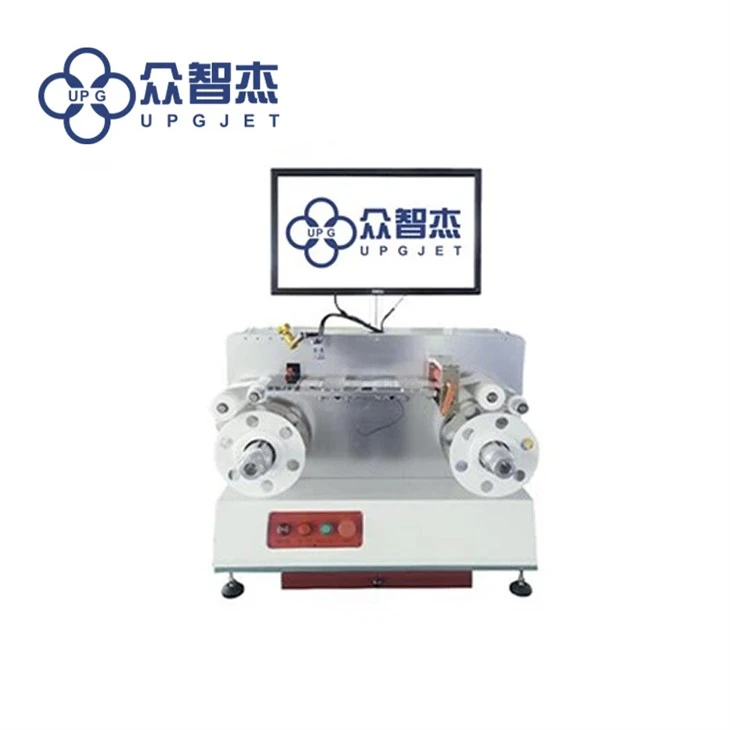
Another product is the LQ-MD D100 Desktop RFID Inspection Machine. This machine is a desktop RFID inspection machine that can be used to inspect the quality and performance of RFID tags. It can detect various defects and ensure that the tags meet the required standards.
Contact Us for RFID Tag Encoding Solutions
If you are interested in encoding data on RFID tags or need more information about our RFID products and solutions, please contact us. Our team of experts will be happy to assist you and provide you with the best solutions for your needs. We can help you choose the right RFID tags, equipment, and encoding techniques to ensure the success of your RFID project.
References
- Finkenzeller, K. (2010). RFID Handbook: Fundamentals and Applications in Contactless Smart Cards, Radio Frequency Identification and Near-Field Communication. John Wiley & Sons.
- Want, R. (2006). An Introduction to RFID Technology. IEEE Pervasive Computing, 5(1), 25-33.
- ISO/IEC 18000. (2016). Information technology - Radio frequency identification for item management. International Organization for Standardization.