


"What is the cutting pressure of a Blade Cutter?"
As a supplier of blade cutters, I often encounter inquiries from customers about the cutting pressure of blade cutters. Understanding the concept and significance of cutting pressure is crucial for making informed decisions when it comes to purchasing and operating these essential tools. In this blog, I will delve into what cutting pressure is, its importance, factors affecting it, and how it relates to our product, the LQ - MD 330B Digital Label Cutter.
What is Cutting Pressure?
Cutting pressure refers to the force applied by the blade of a cutter onto the material being cut. It is measured in units such as pounds per square inch (psi) or newtons per square meter (N/m²). When the blade comes into contact with a material, the cutting pressure determines how effectively the blade can penetrate and sever the material. Think of it as the brute force that a blade needs to overcome the molecular forces holding the material together.
For example, when cutting a thin piece of paper, a relatively low cutting pressure is sufficient because the fibers in the paper are easily separated. However, when cutting through a thick leather or a tough plastic sheet, a much higher cutting pressure is required to make a clean cut.
Importance of Cutting Pressure
The cutting pressure of a blade cutter is of utmost importance for several reasons:
- Quality of the Cut: A proper cutting pressure ensures a clean and precise cut. If the pressure is too low, the blade may not fully penetrate the material, resulting in a jagged or incomplete cut. On the other hand, if the pressure is too high, it can cause damage to the material, such as crushing or tearing, especially in delicate materials.
- Efficiency: Adequate cutting pressure allows the cutter to work efficiently. It reduces the time and effort required to make a cut. For industrial applications where large volumes of materials need to be cut, an efficient cutting process can significantly increase productivity and reduce costs.
- Blade Life: Maintaining the right cutting pressure also extends the life of the blade. When the pressure is within the optimal range, the blade experiences less wear and tear. Excessive pressure can cause the blade to dull quickly, while insufficient pressure may make the blade work harder, leading to premature damage.
Factors Affecting Cutting Pressure
Several factors can influence the required cutting pressure of a blade cutter:
- Material Type: Different materials have different molecular structures and levels of toughness. For instance, soft materials like fabrics and cardboard require less cutting pressure compared to hard materials such as wood or metal. The density, elasticity, and hardness of the material all play a role in determining the appropriate cutting pressure.
- Material Thickness: Thicker materials generally need more cutting pressure to be cut through. A thin sheet of plastic may be cut with a light touch, but a thick stack of the same plastic will require a much stronger force.
- Blade Geometry: The shape and sharpness of the blade are crucial. A sharp blade with a proper edge angle can cut through materials with less pressure. Blades with different geometries are designed for specific applications. For example, a serrated blade may require less pressure to cut through fibrous materials compared to a straight - edged blade.
- Cutting Speed: The speed at which the blade moves through the material can also affect the cutting pressure. Faster cutting speeds may require higher pressure to maintain a clean cut, while slower speeds may allow for a lower pressure.
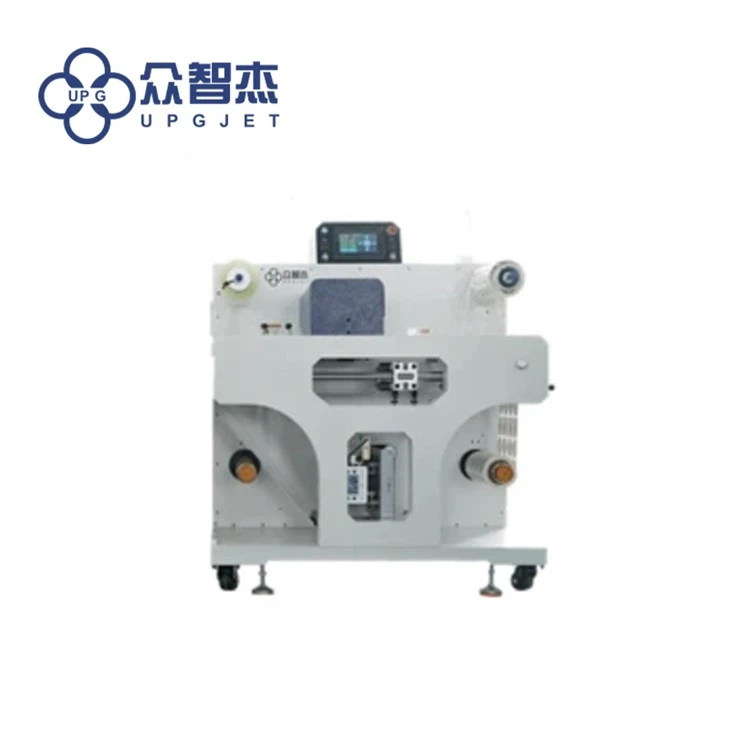
Cutting Pressure in the LQ - MD 330B Digital Label Cutter
Our LQ - MD 330B Digital Label Cutter is designed to offer precise control over the cutting pressure. This cutter is mainly used for cutting labels, which can be made from a variety of materials such as paper, vinyl, and polyester.
- Precision Control: The LQ - MD 330B features an advanced control system that allows users to adjust the cutting pressure according to the specific requirements of the material. Whether you are cutting a thin paper label or a thicker vinyl sticker, you can fine - tune the pressure to achieve the best results.
- Efficiency and Quality: With its accurate cutting pressure control, the LQ - MD 330B ensures high - quality cuts every time. It can quickly and efficiently cut through labels, reducing production time and waste. The clean cuts enhance the overall appearance of the labels, which is crucial for branding and aesthetic purposes.
- Versatility: Thanks to its ability to adjust the cutting pressure, the LQ - MD 330B is a versatile tool. It can handle different types of label materials, making it suitable for a wide range of industries, including printing, packaging, and marketing.
How to Determine the Right Cutting Pressure
Determining the right cutting pressure for your blade cutter depends on the specific material and the desired cut quality. Here are some general steps you can follow:
- Understand the Material: Research the properties of the material you plan to cut. Look for information on its hardness, thickness, and any special characteristics. This will give you a starting point for selecting the appropriate cutting pressure.
- Conduct Tests: Start with a low cutting pressure and gradually increase it while making test cuts on a scrap piece of the material. Observe the quality of the cuts, such as whether they are clean, jagged, or if the material is being damaged. Repeat this process until you find the optimal pressure.
- Refer to the Manual: If you are using a specific blade cutter like the LQ - MD 330B Digital Label Cutter, refer to the user manual. The manual usually provides guidelines on the recommended cutting pressure for different materials.
Conclusion
In conclusion, the cutting pressure of a blade cutter is a critical factor that affects the quality, efficiency, and cost - effectiveness of the cutting process. As a supplier, we are committed to providing products like the LQ - MD 330B Digital Label Cutter that offer precise control over cutting pressure to meet the diverse needs of our customers.
If you are in the market for a blade cutter and want to discuss how the right cutting pressure can benefit your specific application, we invite you to reach out to us for a purchasing consultation. Our team of experts is ready to provide you with the information and support you need to make the best decision for your business.
References
- Smith, J. (2018). Handbook of Cutting Tools and Processes. New York: Industrial Press.
- Johnson, R. (2020). Principles of Material Cutting. Chicago: TechPub Co.


