
Products Description
In the ever-evolving field of printing technology, digital label printers have become a new favorite among businesses and individuals. These printers offer a range of advantages, including high-quality output, fast turnaround times, and the ability to produce custom labels on demand. However, a question that often arises is: how long do digital prints last? In this article, we'll look at the durability of digital printing (specifically digital label printers) and the factors that affect its longevity.
Digital printing is a method of transferring digital images directly onto a variety of substrates such as paper, plastic and vinyl. Unlike traditional printing methods such as offset printing, digital printing does not require a printing plate, making it an efficient, more cost-effective option for small runs and customized projects. Labels produced by digital label printers using this technology can be used for a variety of applications from product labeling to shipping and branding.
The longevity of digital prints, including those produced by digital label printers, can be affected by the following factors:
1. Ink type
The type of ink used in digital printing plays an important role in the durability of the final product. Most digital label printers use either dye or pigment inks. Dye inks tend to print vibrant colors, but are more prone to fading when exposed to sunlight and humidity. Pigment magic, on the other hand, is known for its durability and resistance to fading, which makes them a better choice for labels exposed to harsh conditions.
2. Substrate material
The printing material of the label also affects the durability of the label. Common substrates for digital labels include paper, vinyl and polyester. Vinyl and polyester labels are usually more durable than paper labels because they are water, chemical and UV resistant. When choosing a substrate for digital label printing, it is important to consider the intended use of the label and the environmental conditions it will face.

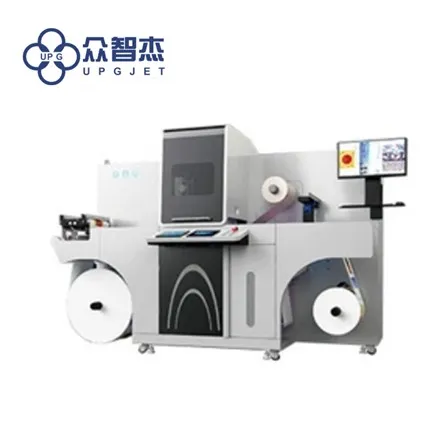
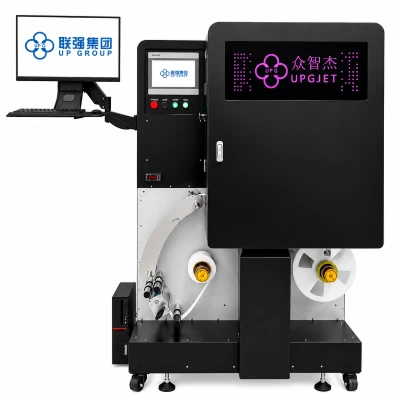
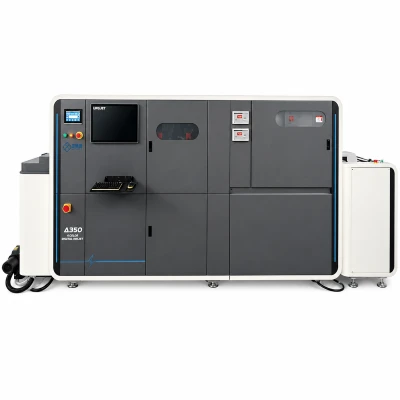
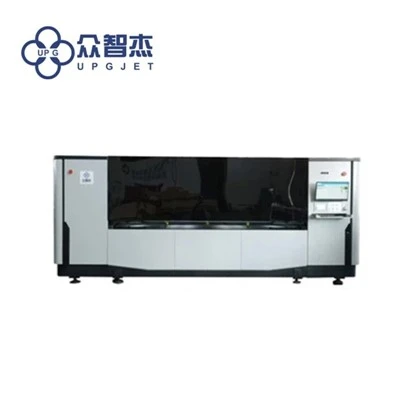
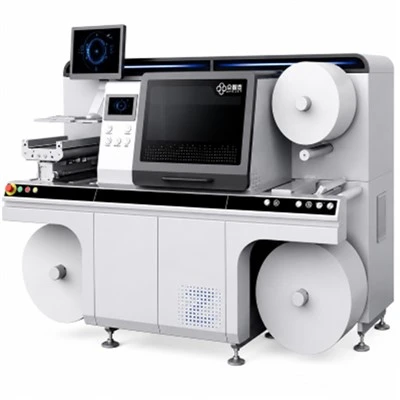
Our company's LQ-MD 108/216 Digital UV Label Printer
This label printer is a hybrid press of digital printing and analog printing technology.
The whole printing system has high cost performance and can be a perfect solution for the PSP who want to enlarge their scale or shift their business from analog to digital printing.
It will help you building a complete line of digital printing. It will bring order and profit increasing significantly to meet the growing demand of personalization and customization, which will lead ahead of the competitors in the market.
· Support 1000m continuous printing
· Banner printing ability:
Besides shop decoration or floor POP display printings, this press can print long poster, banner etc.
· Producing mixed media (with label) ability, which helps enlarging business scopes.
· Can provide different solutions of printing finishing:
Can choose different finish process: lamination, coating, cold foil, die cutting, slitting etc.
· Can do inline or offline printing jobs.
3. Organization Options
Finishing options such as lamination and UV coating can greatly enhance the durability of digital prints. Lamination can add a protective layer to the label to make it scratch, moisture and fade resistant. UV coating, on the other hand, provides a smooth surface that not only gives the label a visually appealing look, but also protects the label from UV rays. Investing in these organizational options can extend the life of digital labels and make them suitable for long-term use.
4. Storage conditions
The way digital prints are stored also affects their lifespan. Labels exposed to extreme temperatures, humidity, or direct sunlight may deteriorate more quickly than labels stored in a controlled environment. For companies that produce large quantities of labels, storing labels in a cool, dry place that is protected from light is critical to maintaining label quality over time.
5. Application environment
The environment in which a label is used can also affect its lifespan. Labels used in outdoor environments, such as product labels on packages or signs, will face different challenges than those used indoors. Exposure to moisture, temperature fluctuations and UV rays can all lead to degradation of the quality of digital prints, so it is important to select the correct materials and inks for the specific application to ensure longevity.
Life expectancy of digital prints
Although the life expectancy of digital prints will vary depending on the factors mentioned above, some general guidelines can be provided. For indoor applications, digital labels printed with pigment inks on high-quality substrates can last for 5-10 years without noticeable fading or deterioration, and for outdoor applications, especially those exposed to sunlight and humidity, the life expectancy may be shorter, typically 1 to 5 years, depending on the material and protective coating used.
Digital label printers have revolutionized the way businesses and individuals produce labels, providing flexibility, customization and high quality output, however, understanding the duration of digital printing is critical to making informed label production decisions. By considering factors such as ink type, substrate material, finishing options, storage conditions and application environment, users can significantly improve the durability of digital printing.
In conclusion, while digital printing offers impressive quality and versatility, the lifespan of prints produced by digital label presses is affected by a number of factors, and by choosing the right materials and properly storing the labels, businesses can ensure that their digital prints remain intact for years to come. Whether it's for branding, product labeling or personal projects, investing in a high-quality digital label printer is a smart move.