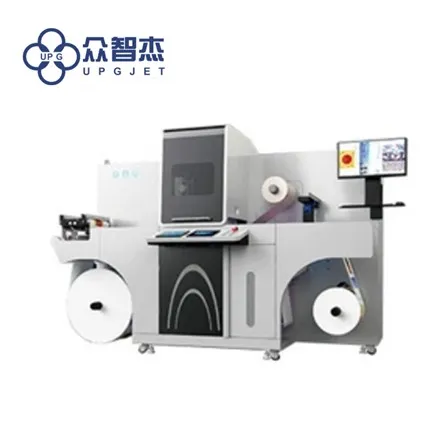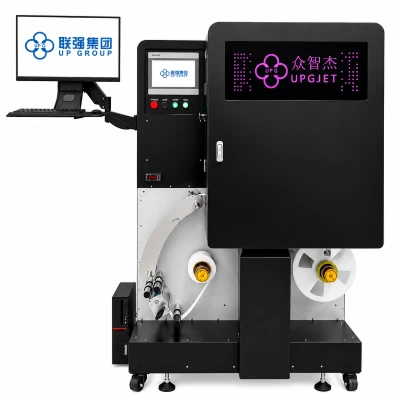

The working environment requirements of UV printers are well known. UV printers are a high-tech, plate-free full-color digital printing machine, which is not limited by materials. It can be used on T-shirts, sliding doors, cabinet doors, sliding doors, glass, plates, and various signs. Color photo-level printing on surfaces such as, crystal, PVC, acrylic, metal, plastic, stone, leather, etc. There is no need to make a plate and complete the printing at one time, with beautiful and rich colors, abrasion resistance, UV protection, simple and convenient operation, fast printing image speed, and fully comply with industrial printing standards. The following is an explanation of the requirements of the UV printer for the operating environment.
UV printers have the following requirements for the operating environment:
1. Independent, clean, low-dust, low-light, well-ventilated workplace
2. Ambient temperature: 15ºC~30ºC (59ºF~86ºF)
3. Relative humidity: 30%~70% (non-condensing)
Generally speaking, the higher the temperature, the faster the drying, and the lower the temperature, the slower the drying. Therefore, temperature and humidity have a direct effect on the ink drying speed. If the temperature is too low and the relative humidity is too high, the ink drying speed will be reduced and the printing cycle will be lengthened. The temperature and humidity of the environment will also affect the viscosity of the ink. As the environment temperature increases, the ink viscosity decreases; as the environment temperature decreases, the ink viscosity increases. If the temperature is too low, the ink viscosity is too large, and printing failures may occur.