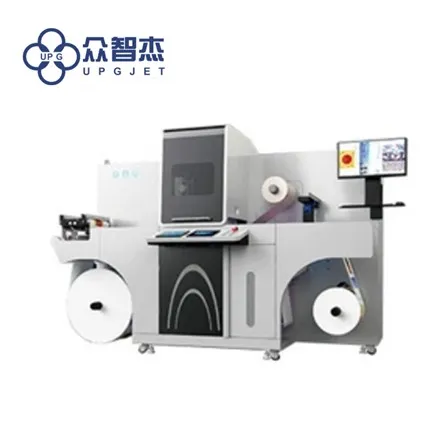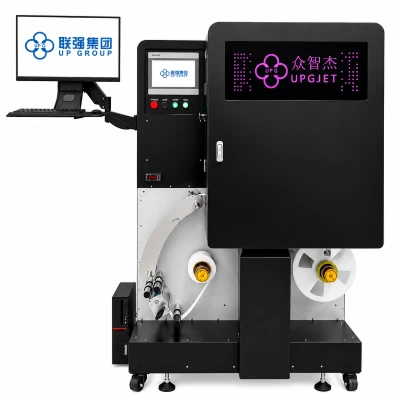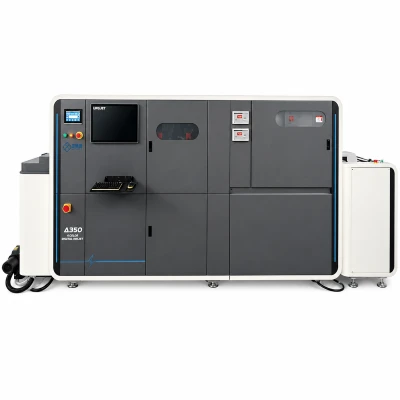

Varnishing refers to coating or printing a layer of colorless and transparent ink or raw material (commonly known as varnish) on the surface of a printed matter. After drying or even calendering, the surface gloss and smoothness of the printed matter will be greatly increased, which can make your packaging or printed material to stand out. Besides, varnishing can improve the wear resistance of the printed surface and protect the graphics and text of the printed matter.
For finished printed products, the common practice is to use screen printing UV varnish technology and coating varnish technology, while the more advanced process uses online operation and printing at the same time. Due to different usage principles and varnishing methods, their effects also differ.
01 Application of the technology
The most important purpose of varnishing is to add value to printed matters. This is because varnished prints are more glossy and three-dimensional, and have a more refined texture in appearance, making it easier to become the visual focus in the dazzling display of goods. According to the required area in the design, varnishing is divided into full-plate varnishing and spot varnishing. It is widely used and has become one of the commonly used techniques in the publishing and printing industry such as book album covers, pictures and text on inner pages, packaging boxes, greeting cards, wall calendars, desk calendars, floor books, etc.
In fact, through the improvement of varnishing technology, its application scope has far exceeded the traditional publishing and packaging printing fields. Not only can the surface of paper prints be varnished, but also spraying and other techniques can be used to varnish mobile phones, decorative materials, PVC and other plastic sheets.
02 Types of Varnishing
According to the varnishes used on the surface of paper printed materials, it can be divided into: oxidation polymerisation coating varnishing, solvent volatile coating varnishing, light-curing coating varnishing and heat-curing coating varnishing. The most commonly used varnishes are UV varnish and water-based varnish, while solvent-based varnish is gradually abandoned by the market because of its harmful effects on the environment.
According to the varnishing method, it can be divided into ordinary printing equipment varnishing and special coating machine varnishing(on-line and off-line). Printed materials can be varnished by different machines such as coating and varnishing machine, offset printing machine, screen printing machine, intaglio printing machine, flexo printing machine and so on.
1. Coating varnishing
The process involves first applying the varnish and then pressing, which are both included in traditional technology.The application of varnish refers to the process of evenly applying a layer of glossy coating on the surface of printed matter in a certain way. There are three commonly used coating methods: spray coating, printing coating, and polishing varnish coater coating.
The quality requirements are: uniform coating surface, appropriate coating amount, good leveling property, and certain adhesion to the surface of the printed matter.After a varnish coating is applied to the surface of the printed matter,it is usually calendered. Calendering can change the surface state of the dried varnish coating to form a desirable mirror-like gloss effect.
2.UV varnishing
UV varnishing is a widely used varnishing method. This method apply high gloss varnish to printed matter (including full-plate varnishing and spot varnishing) based on the principle of UV curing varnishing.
In the late 1990s, people used UV varnishing technology on substrates in order to break away from the traditional design. Today, this special printing process has been widely used in the field of commercial printing. It leaves a silky sheen on the surface of the print, creating a completely new texture.
UV varnishing is suitable for papers with good surface brightness, such as coated paper, coated cards, and special papers with good surface smoothness but poor ink and oil absorption. If the surface of the paper material is rough and easy to be penetrated downwards, the residual UV varnish on the surface can not form a bright film.
The common UV ink is mainly colorless and transparent UV. In fact, there are many types of UV inks, and they also come in different colors. Such ink has high environmental performance. Since the ink does not contain volatile components such as solvents or water, it makes the printed matter easy to maintain for a long time without discoloration. The dried UV ink has high wear resistance (the surface is not easy to be scratched) and stability (the color is bright and long-lasting). UV ink prints have the characteristics of high quality, bright colors and clear images.
3.Flexo varnish
Flexo varnishing is completed by printing units. You can choose to use water-based varnish or UV varnish according to product requirements. If the printing unit is equipped with special configuration, double-sided flexo varnish can also be easily printed. In order to obtain better gloss, the varnish layer should be thicker than the printing ink layer.
In any case, good compatibility between the selected printing product and the varnish is a key factor in improving the quality of the print. Flexo printing usually requires adding a color of water-based flexo varnishing or UV flexo varnishing at the end of the process. In addition to enhancing the gloss of the printed matter, it also enhances the physical properties of the printed surface to meet the needs of other post-printing process and the practical requirements of commodity packaging.
Flexo varnishing are also divided into full-plate flexo varnishing and spot flexo varnishing. Many packaging prints use spot varnishing. For example, some products need to highlight the focus of the picture, or part of the product photo need to be highlighted in the picture.
03 Selection of Varnish
The quality of varnishing depends largely on the varnish selected. There are three categories of varnish: oil-based varnish, aqueous varnish and UV varnish.
Oil-based varnish contains volatile solvents, which have negative effects on health and are not environmentally friendly. In contrast, aqueous varnish and UV varnish occupy more market share. In developed countries, aqueous varnishing has become the mainstream of varnishing technology. The surface of paper treated with aqueous varnish, whether it is glossy or matte, can be post-processed, such as spot UV, hot stamping, gold scanning and gravure printing, etc. However, the glossiness of aqueous varnishing is about 70%, while that of UV varnishing can reach 90%. Therefore, the effect is obviously different.
The most commonly used UV varnish on the market is UV varnish. When using UV varnish, diluent cannot be added, otherwise the printed product can not achieve the expected gloss. In practical operation, since UV varnish must be heated to 50°C before use, there are still certain defects in safety production.
04 Extended Use
Laminating+Spot UV Varnishing
Applying UV varnish to the laminated product can enhance the light resistance of the ink and improve the gloss and three-dimensionality of the printed matter, which is the icing on the cake. Both full-plate varnishing and spot varnishing can be used. If screen printing is applied for spot UV varnishing, the thickness of the ink layer printed can reach 20um at one time.
Hot stamping+UV varnishing
If UV varnish is to be applied after hot stamping, the acceptability of anodized aluminum should be considered, that is, the surface tension of anodized aluminum should be greater than that of UV varnish. If condition permits, the hot stamping part of certain products can be hollowed out. If UV varnish needs to be printed before hot stamping due to process requirements, the adaptability for hot stamping of the UV varnish surface should be checked first. There are also specialized coating varnish products on the market that can achieve varnishing effects on specific paper based products or aluminum foil.