

In the dynamic world of manufacturing and fabrication, the use of synthetic materials has witnessed an outstanding surge. Synthetic materials, renowned for their durability, flexibility, and cost - effectiveness, have found their way into numerous industries, from fashion and automotive to aerospace and packaging. As a professional Digital Cutter supplier, I often get asked a critical question: Can a Digital Cutter cut synthetic materials? In this blog, we'll delve into this question, exploring the capabilities of digital cutters when dealing with synthetic materials, and introduce some of our top - notch products that are up to the task.
Understanding Synthetic Materials
Synthetic materials are human - made substances created through chemical processes. They are designed to mimic or enhance the properties of natural materials. Common synthetic materials include polyester, nylon, acrylic, PVC (polyvinyl chloride), and polyurethane. These materials are used to make a vast array of products such as clothing, upholstery, plastic parts, and signage.
The unique properties of synthetic materials, like their strength, resistance to wear and tear, and ability to hold their shape, make them both popular and challenging to cut. Traditional cutting methods may struggle to provide clean, precise cuts, especially when dealing with complex shapes or patterns. This is where digital cutters come into play.
The Capabilities of Digital Cutters
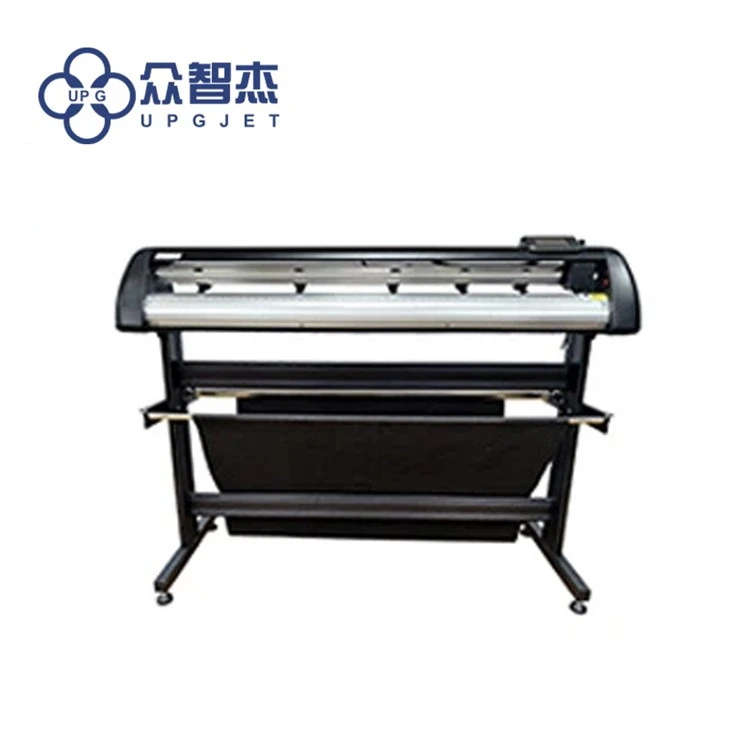
Digital cutters are advanced cutting machines that use computer - controlled technology to cut materials with high precision. They offer a range of cutting options, including blade cutting, laser cutting, and oscillating knives, each of which is suitable for different types of synthetic materials.
Blade - based digital cutters are ideal for softer synthetic materials like fabrics and thin plastics. The blades can be adjusted to different depths, allowing for precise cuts without damaging the material. These cutters are often used in the fashion and textile industries to cut patterns for clothing and upholstery.
Laser digital cutters, on the other hand, use a high - powered laser beam to cut through materials. They are more suitable for cutting thicker and denser synthetic materials such as acrylic sheets, PVC boards, and polyurethane foam. The heat from the laser melts or vaporizes the material, creating a clean and precise cut. Laser cutters are also capable of cutting intricate designs and patterns, making them popular in the signage, jewelry, and electronics industries.
Oscillating knife cutters are another option for cutting synthetic materials. These cutters use a rapidly vibrating blade to cut through the material, which is especially useful for materials that are difficult to cut with a traditional blade, such as rubber and thick plastics.
Our Digital Cutters for Synthetic Materials
As a leading Digital Cutter supplier, we offer a wide range of products that are specifically designed to cut synthetic materials.
The LQ - MD 720 Series Automatic Contour Cutting Plotter is a versatile machine that can handle a variety of synthetic materials. It uses a blade - cutting system that can be adjusted to different depths, ensuring precise cuts on fabrics, thin plastics, and other soft synthetic materials. The automatic contour - cutting feature allows it to follow complex patterns, making it ideal for industries such as fashion, packaging, and automotive interiors.
The UCUT - L350R Digital Laser Cutter is a high - performance laser cutter suitable for cutting thicker synthetic materials. With its powerful laser beam, it can cut through acrylic, PVC, and polyurethane foam with ease. The digital control system allows for accurate and repeatable cuts, making it a great choice for industries that require high - precision parts and components, such as aerospace and electronics.
The LQ - MD 340S Single Sheet Laser Cutting Machine is designed for single - sheet cutting of synthetic materials. It offers a large cutting area and high - speed cutting capabilities, making it efficient for producing large - scale signs, displays, and decorative items. The machine's advanced laser technology ensures clean and smooth cuts, even on intricate designs.
The LQ - MD 4060 DTF Thermal Transfer Film Cutter is specifically tailored for cutting DTF (Direct - to - Film) thermal transfer films. These films are a type of synthetic material used in the printing and textile industries. The cutter provides precise cuts, ensuring that the transfer films can be accurately applied to various surfaces.
The LQ - MD 330S Digital Cutting Machine is a reliable option for cutting a wide range of synthetic materials. It combines blade - cutting technology with digital control, allowing for flexible and accurate cutting operations. Whether you're working with thin films or thicker plastics, this machine can deliver high - quality cuts.
Advantages of Using Digital Cutters for Synthetic Materials
There are several advantages to using digital cutters when working with synthetic materials.
Firstly, precision is a major benefit. Digital cutters can cut materials with high accuracy, ensuring that each piece is identical and meets the required specifications. This is crucial in industries where precision is key, such as aerospace and medical device manufacturing.
Secondly, digital cutters offer flexibility. They can be programmed to cut a variety of shapes and patterns, from simple geometric shapes to complex designs. This allows manufacturers to create unique products and respond quickly to changing market demands.
Thirdly, digital cutters are more efficient than traditional cutting methods. They can cut materials at a faster rate, reducing production time and increasing productivity. Additionally, they generate less waste, as they can optimize the cutting layout to make the most of the material.
Considerations When Cutting Synthetic Materials
While digital cutters are highly effective at cutting synthetic materials, there are some considerations to keep in mind.
The type of synthetic material will determine the most suitable cutting method. For example, as mentioned earlier, blade cutters are better for soft materials, while laser cutters are more appropriate for thicker and denser materials.
The thickness of the material also plays a role. Thicker materials may require a more powerful cutting method, such as a high - wattage laser cutter or a more robust blade - cutting system.
In addition, the heat generated during laser cutting can cause some synthetic materials to melt or warp. It's important to select the right cutting speed and power settings to minimize these effects.

Conclusion
In conclusion, digital cutters can indeed cut synthetic materials, and they offer a range of benefits in terms of precision, flexibility, and efficiency. As a Digital Cutter supplier, we are committed to providing high - quality products that can meet the diverse needs of our customers in cutting synthetic materials. Whether you're in the fashion, automotive, aerospace, or any other industry that uses synthetic materials, our digital cutters can help you achieve the best results.
If you're interested in learning more about our digital cutters or are looking to purchase one for your business, we encourage you to reach out to us. Our team of experts is ready to assist you in selecting the right machine for your specific requirements and guide you through the purchasing process.
References
- "Manufacturing Processes for Engineering Materials" by Serope Kalpakjian and Steven R. Schmid
- "Advanced Materials in Engineering" by Ashok Saxena
- Industry reports on the use of synthetic materials in manufacturing and fabrication