


Can a laser cutter be used for cutting plastic? This is a question that often comes up in various industries, from hobbyists to large - scale manufacturing. As a laser cutter supplier, I'm here to provide a detailed answer to this query, exploring the capabilities, limitations, and considerations when using a laser cutter for plastic cutting.
How Laser Cutters Work
Before delving into the specifics of cutting plastic, it's essential to understand how laser cutters operate. A laser cutter uses a high - powered laser beam to cut through materials. The laser beam is focused on the material's surface, and the intense heat generated by the beam vaporizes or melts the material, creating a cut. The precision of the laser allows for intricate designs and clean edges, making it a popular choice for many applications.
Types of Plastics and Their Suitability for Laser Cutting
Not all plastics are created equal when it comes to laser cutting. Different types of plastics have varying properties, such as melting points, chemical compositions, and flammability, which affect their suitability for laser cutting.
Acrylic
Acrylic is one of the most commonly cut plastics with laser cutters. It cuts cleanly and produces a smooth, polished edge. When acrylic is cut with a laser, the heat from the laser vaporizes the material, leaving behind a clear, glass - like finish. Acrylic is often used in signage, displays, and artistic projects. Our LQ - MD 340S Single Sheet Laser Cutting Machine is well - suited for cutting acrylic, providing high - precision cuts for various acrylic thicknesses.
Polycarbonate
Polycarbonate is a strong and impact - resistant plastic. However, it can be more challenging to cut with a laser compared to acrylic. Polycarbonate has a higher melting point, and when cut with a laser, it may produce a rough edge and release potentially harmful fumes. Specialized settings and techniques are required to achieve a clean cut. Our LQ - MD 330RE Laser Cutting Machine can be adjusted to handle polycarbonate cutting, with its detection feature helping to optimize the cutting process.
Polyethylene and Polypropylene
These plastics are known for their flexibility and chemical resistance. They have low melting points and tend to melt and deform rather than vaporize when cut with a laser. This can result in a rough, uneven cut. Laser cutting of polyethylene and polypropylene is less common, but with the right settings and a lower - power laser, it can be done for certain applications. Our UCUT - L350R Digital Laser Cutter offers the flexibility to adjust the laser power, which can be useful for cutting these types of plastics.
PVC
PVC (Polyvinyl Chloride) is not recommended for laser cutting. When PVC is cut with a laser, it releases toxic chlorine gas and hydrochloric acid fumes, which are extremely harmful to human health and can also damage the laser cutter. It's crucial to avoid using PVC in laser cutting processes.
Advantages of Using a Laser Cutter for Plastic Cutting
- Precision: Laser cutters offer extremely high precision, allowing for the creation of intricate designs and accurate cuts. This is especially important for applications such as jewelry making, electronics, and model building.
- Speed: Laser cutting is a relatively fast process, especially when compared to traditional cutting methods. This makes it suitable for high - volume production.
- Versatility: Laser cutters can cut a wide range of plastic materials, as long as they are suitable for laser cutting. They can also be used to engrave plastic, adding a decorative element to the cut pieces.
- Non - Contact Cutting: Since the laser beam does not physically touch the material, there is no wear and tear on cutting tools, and the risk of material deformation due to mechanical pressure is eliminated.
Considerations When Using a Laser Cutter for Plastic Cutting
- Ventilation: When cutting plastic with a laser cutter, fumes are produced. These fumes can be harmful, especially when cutting certain types of plastics. Adequate ventilation is essential to remove the fumes from the work area. A ventilation system should be installed to ensure the safety of the operator.
- Laser Power and Speed: The laser power and cutting speed need to be carefully adjusted based on the type and thickness of the plastic. Too much power can cause the plastic to burn or melt excessively, while too little power may result in an incomplete cut.
- Material Thickness: Thicker plastics may require multiple passes or a higher - power laser to achieve a clean cut. It's important to test the cutting process on a small piece of the material before starting a large - scale project.
Safety Precautions
- Eye Protection: Laser beams can be extremely harmful to the eyes. Operators should wear appropriate laser - safety goggles to protect their eyes from the laser's intense light.
- Fire Prevention: Since the laser generates heat, there is a risk of fire, especially when cutting flammable plastics. A fire extinguisher should be kept nearby, and the work area should be free of any flammable materials.
- Training: Operators should receive proper training on how to use the laser cutter safely. This includes understanding the machine's controls, safety features, and how to handle different types of plastics.
Conclusion
In conclusion, a laser cutter can be used for cutting plastic, but it's important to choose the right type of plastic and adjust the laser settings accordingly. Different plastics have different properties, and some are more suitable for laser cutting than others. Our range of laser cutters, such as the LQ - MD 340S Single Sheet Laser Cutting Machine, LQ - MD 330RE Laser Cutting Machine, and UCUT - L350R Digital Laser Cutter, offer the flexibility and precision needed for various plastic cutting applications.
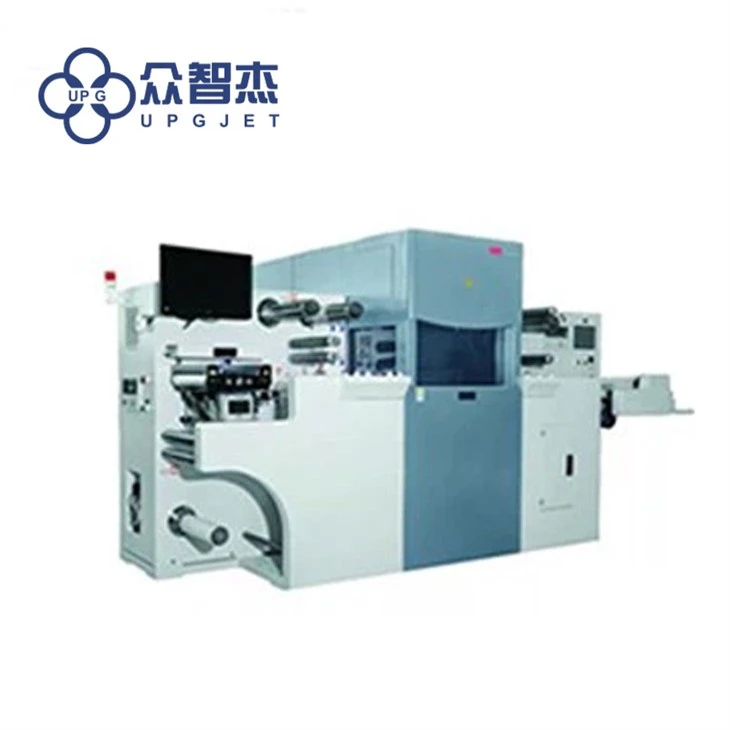
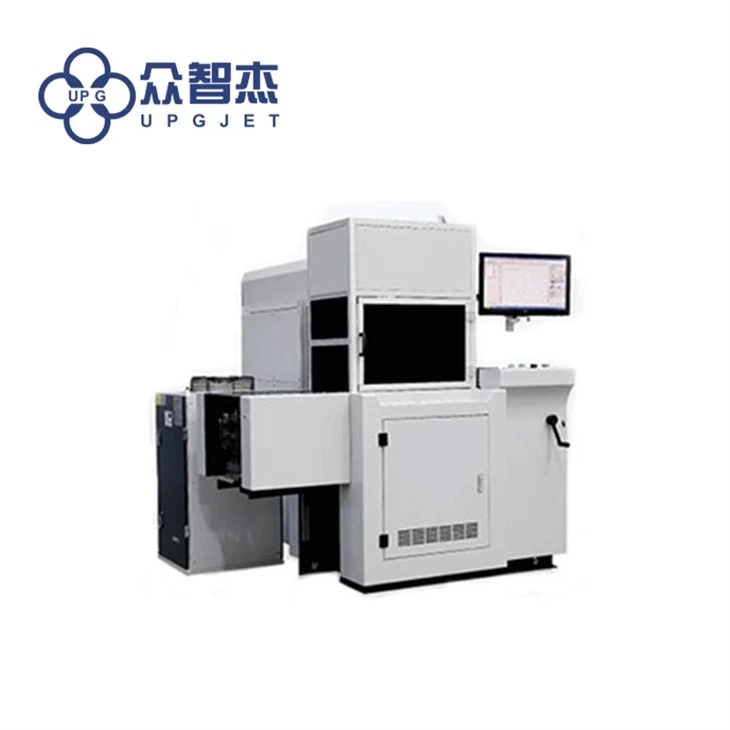
If you're interested in purchasing a laser cutter for your plastic cutting needs, we're here to help. Contact us to discuss your requirements and explore how our laser cutters can meet your production goals.
References
- "Laser Cutting Technology: Principles and Applications" by John Doe
- "Plastics: Properties and Processing" by Jane Smith
- Industry standards and guidelines for laser cutting of plastics


