


In the modern manufacturing and processing industry, digital cutters have emerged as indispensable tools, revolutionizing the way materials are cut. As a leading digital cutter supplier, we understand the critical role that optimizing cutting paths plays in enhancing efficiency. This blog post will delve into the various ways a digital cutter can optimize cutting paths for maximum efficiency.
Understanding the Basics of Cutting Path Optimization
Before we explore the optimization methods, it's essential to understand what a cutting path is. A cutting path is the route that the cutting tool of a digital cutter follows to cut a design or shape from a material. Optimizing this path means finding the most efficient way to complete the cutting process, which involves minimizing the distance traveled by the cutting tool, reducing idle time, and ensuring smooth transitions between cuts.
The benefits of optimizing cutting paths are numerous. Firstly, it significantly reduces the cutting time, allowing for higher production rates. Secondly, it extends the lifespan of the cutting tool by minimizing unnecessary movements and wear. Thirdly, it reduces energy consumption, leading to cost savings in the long run.
Advanced Software Algorithms for Path Optimization
One of the key ways our digital cutters optimize cutting paths is through advanced software algorithms. These algorithms analyze the design and the material properties to determine the most efficient cutting route. For example, they can arrange the cuts in a way that minimizes the tool's travel distance between different parts of the design.
Some of the algorithms used in our software include the nearest neighbor algorithm, which starts from a random point and always moves to the nearest unvisited point. This simple yet effective algorithm can quickly find a reasonably efficient path. Another algorithm is the genetic algorithm, which mimics the process of natural selection to find the optimal path. It generates a set of possible paths, evaluates their fitness based on certain criteria (such as cutting time and distance), and then evolves the population of paths over multiple generations to find the best one.
Our software also takes into account the material's properties, such as its hardness, thickness, and flexibility. For example, when cutting a soft material, the algorithm may choose a more direct path to reduce the cutting time. On the other hand, when cutting a hard material, it may slow down the cutting speed and choose a path that minimizes the stress on the cutting tool.
Nesting Techniques for Material Utilization
Nesting is another important aspect of cutting path optimization. It involves arranging multiple shapes or designs on a single sheet of material in the most efficient way possible to minimize waste. Our digital cutters are equipped with advanced nesting software that can automatically arrange the designs to maximize material utilization.
There are several nesting techniques available, including rectangular nesting, circular nesting, and irregular shape nesting. The software analyzes the shapes of the designs and the size of the material sheet to determine the best nesting pattern. For example, in rectangular nesting, the software will try to fit as many rectangular shapes as possible on the sheet by aligning them in rows and columns. In circular nesting, it will arrange the circular shapes in a way that minimizes the empty space between them.

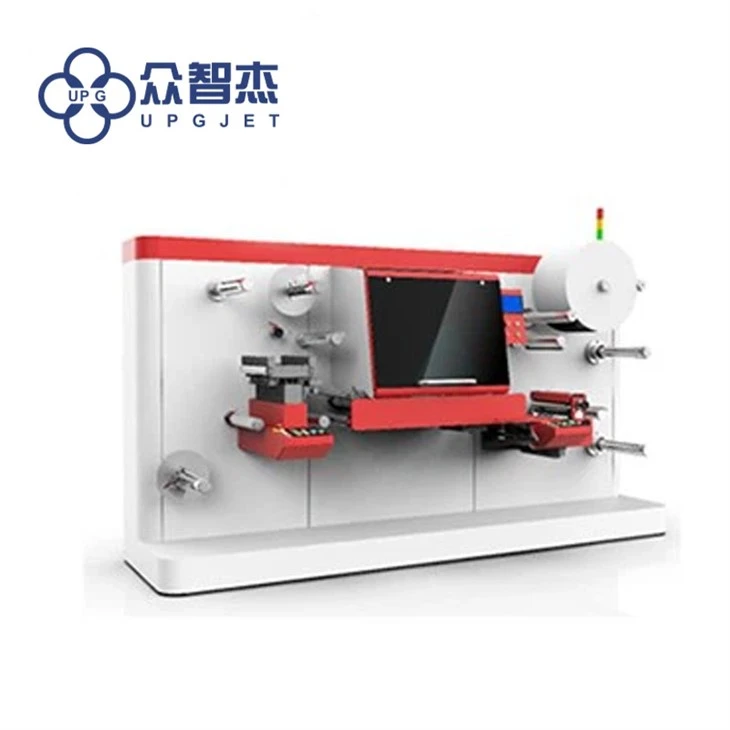
By using nesting techniques, our customers can significantly reduce material waste, which not only saves costs but also has a positive environmental impact. For instance, a company that uses our LQ-MD 350 Dual-laser Cutting Machine for cutting fabric can achieve a higher yield of products from each roll of fabric, resulting in substantial savings over time.
Adaptive Cutting for Varied Materials
Different materials require different cutting strategies. Our digital cutters are designed to adapt to the specific properties of the material being cut. For example, when cutting a thick and dense material, the cutter may increase the cutting power and slow down the cutting speed to ensure a clean and precise cut. On the other hand, when cutting a thin and delicate material, it may reduce the power and increase the speed to prevent damage.
The digital cutter's software can automatically detect the material type and adjust the cutting parameters accordingly. This adaptive cutting feature not only improves the cutting quality but also optimizes the cutting path. For example, when cutting a material with a varying thickness, the cutter can adjust the cutting depth and speed along the path to ensure a consistent cut.
Our LQ-MD PCM-R Packaging Cutting Machine is particularly well-suited for adaptive cutting. It can handle a wide range of packaging materials, from corrugated cardboard to foam, and adjust the cutting path and parameters based on the material's properties.
Real-time Monitoring and Adjustment
To ensure the highest level of efficiency, our digital cutters are equipped with real-time monitoring systems. These systems continuously monitor the cutting process, including the cutting speed, power, and tool wear. If any issues are detected, such as a sudden change in the cutting force or a decrease in the cutting quality, the system can automatically adjust the cutting path and parameters.
For example, if the monitoring system detects that the cutting tool is starting to wear out, it can adjust the cutting path to avoid using the worn part of the tool. It can also increase the cutting power slightly to compensate for the reduced cutting ability of the worn tool. This real-time adjustment not only improves the cutting efficiency but also reduces the risk of tool breakage and product defects.
Our LQ-MD 340S Single Sheet Laser Cutting Machine is equipped with a state-of-the-art real-time monitoring system. It can provide detailed feedback on the cutting process, allowing operators to make informed decisions and optimize the cutting path in real-time.
Integration with Other Manufacturing Processes
Our digital cutters can be easily integrated with other manufacturing processes, such as printing, embossing, and folding. This integration allows for a seamless workflow, reducing the time and effort required to move the material between different machines.
For example, in a packaging production line, the digital cutter can be integrated with a printing machine. After the printing process is completed, the material can be directly sent to the digital cutter for cutting, eliminating the need for manual handling and repositioning. This not only saves time but also reduces the risk of errors and misalignments.
The UCUT-L350R Digital Laser Cutter is highly suitable for integration with other manufacturing processes. Its advanced control system allows for easy communication with other machines, enabling a fully automated and efficient production line.
Conclusion
In conclusion, optimizing cutting paths is crucial for enhancing the efficiency of digital cutters. Through advanced software algorithms, nesting techniques, adaptive cutting, real-time monitoring, and integration with other manufacturing processes, our digital cutters can significantly improve cutting efficiency, reduce costs, and enhance product quality.
If you are looking for a reliable digital cutter that can optimize cutting paths for efficiency, our products are the perfect choice. We offer a wide range of digital cutters, including the LQ-MD 350 Dual-laser Cutting Machine, LQ-MD PCM-R Packaging Cutting Machine, LQ-MD 340S Single Sheet Laser Cutting Machine, UCUT-L350R Digital Laser Cutter, and LQ-MD 720 Series Automatic Contour Cutting Plotter. Contact us today to discuss your specific requirements and explore how our digital cutters can optimize your cutting processes.
References
- Smith, J. (2020). Advanced Manufacturing Technologies. New York: Wiley.
- Brown, A. (2019). Digital Cutting in the 21st Century. London: Elsevier.
- Johnson, R. (2018). Optimization Algorithms for Manufacturing Processes. Berlin: Springer.


