


As a supplier of 350mm laser cutters, I often get asked whether these machines require special ventilation. This is a crucial question, as proper ventilation is not only essential for the safety of the operators but also for the longevity and performance of the laser cutter. In this blog post, I will delve into the reasons why ventilation is important for 350mm laser cutters and discuss whether special ventilation is necessary.
Why Ventilation is Important for Laser Cutters
Laser cutters work by using a high - intensity laser beam to cut through various materials such as wood, acrylic, fabric, and metal. During the cutting process, the laser interacts with the material, causing it to vaporize or burn. This results in the production of fumes, smoke, and particulate matter.

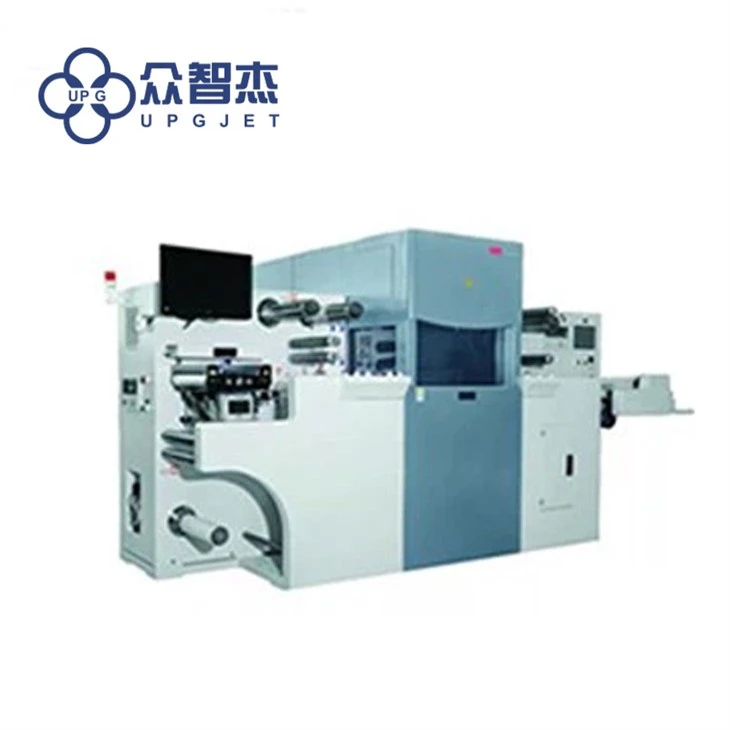
The fumes generated during laser cutting can be harmful to human health. They may contain toxic chemicals such as formaldehyde, benzene, and other volatile organic compounds (VOCs). Inhaling these fumes can lead to respiratory problems, eye irritation, headaches, and in severe cases, long - term health issues.
In addition to the health risks, the fumes and particulate matter can also damage the laser cutter itself. The smoke and dust can accumulate on the optical components of the laser cutter, such as the lenses and mirrors, reducing their efficiency and lifespan. This can lead to decreased cutting quality and increased maintenance costs.
Types of Fumes Produced by 350mm Laser Cutters
The type of fumes produced by a 350mm laser cutter depends on the material being cut. For example:
- Wood: When cutting wood, the fumes may contain creosote, tar, and other organic compounds. These fumes can have a strong odor and may cause respiratory irritation.
- Acrylic: Cutting acrylic releases methyl methacrylate (MMA) fumes, which are highly flammable and can be toxic if inhaled in large quantities.
- Fabric: Laser cutting fabric can produce fumes from the dyes and chemicals used in the fabric. These fumes may contain formaldehyde and other harmful substances.
- Metal: Cutting metal generates metal oxides and particulate matter. Inhaling these particles can cause metal fume fever, a condition characterized by flu - like symptoms.
Does a 350mm Laser Cutter Require Special Ventilation?
The answer to this question is yes, a 350mm laser cutter generally requires special ventilation. While smaller laser cutters may seem less demanding in terms of ventilation compared to larger industrial models, the fumes and particulate matter they produce can still pose a significant risk.
Adequate Airflow
Special ventilation systems are designed to provide adequate airflow to remove the fumes and smoke from the cutting area. A basic ventilation setup may include an exhaust fan that draws the fumes out of the enclosure and expels them outside the building. However, for a 350mm laser cutter, a more sophisticated system may be required.
Filtration
In addition to airflow, a good ventilation system should also include filtration. Filters can trap the particulate matter and some of the harmful chemicals in the fumes. There are different types of filters available, such as HEPA filters for particulate matter and activated carbon filters for VOCs.
Local Exhaust Ventilation (LEV)
Local exhaust ventilation is often recommended for laser cutters. This system captures the fumes at the source, near the cutting area, before they can spread into the surrounding environment. LEV systems are more effective in removing fumes and reducing the risk of exposure to harmful substances.
Our 350mm Laser Cutter Products
At our company, we offer a range of 350mm laser cutters, each with its own features and capabilities.
- UCUT - L350R Digital Laser Cutter: This digital laser cutter is designed for high - precision cutting. It has a user - friendly interface and can handle a variety of materials.
- LQ - MD 340S Single Sheet Laser Cutting Machine: Ideal for single - sheet cutting, this machine offers excellent cutting quality and efficiency.
- LQ - MD 330RE Laser Cutting Machine: Equipped with detection technology, this laser cutter ensures accurate cutting and can be used for a wide range of applications.
- LQ - MD 350 Dual - laser Cutting Machine: The dual - laser design of this machine allows for faster cutting and increased productivity.
Considerations for Ventilation in Different Settings
The ventilation requirements for a 350mm laser cutter may vary depending on the setting in which it is used.
- Home or Small Workshop: In a home or small workshop, space may be limited. However, it is still important to have proper ventilation. A simple exhaust fan and a basic filtration system can be installed. It is also advisable to place the laser cutter near a window or an exterior wall to facilitate the expulsion of fumes.
- Industrial Setting: In an industrial setting, where multiple laser cutters may be operating simultaneously, a more comprehensive ventilation system is required. This may include a central ventilation system with large - capacity fans and high - efficiency filters. The ventilation system should be designed to handle the increased volume of fumes and particulate matter.
Maintenance of Ventilation Systems
Proper maintenance of the ventilation system is crucial to ensure its effectiveness. The filters should be replaced regularly according to the manufacturer's recommendations. The exhaust ducts should be inspected for blockages and cleaned if necessary. Regular maintenance will not only keep the ventilation system working properly but also extend its lifespan.
Conclusion
In conclusion, a 350mm laser cutter does require special ventilation. The fumes and particulate matter produced during the cutting process can be harmful to human health and can damage the laser cutter. Adequate airflow, filtration, and local exhaust ventilation are essential for a safe and efficient working environment.
If you are considering purchasing a 350mm laser cutter, it is important to factor in the cost and installation of a proper ventilation system. Our company offers high - quality 350mm laser cutters, and we can provide guidance on the appropriate ventilation solutions for your specific needs. If you have any questions or would like to discuss your procurement requirements, please feel free to contact us for further details and to start the procurement negotiation process.
References
- American Conference of Governmental Industrial Hygienists (ACGIH). Threshold Limit Values for Chemical Substances and Physical Agents and Biological Exposure Indices.
- Occupational Safety and Health Administration (OSHA). Laser Safety Standards.
- National Fire Protection Association (NFPA). Fire Protection Standard for Laser Systems.


