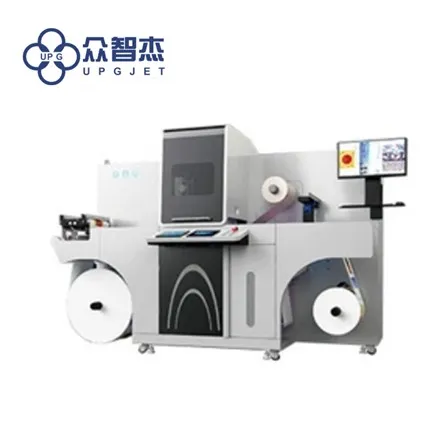

In today's fast-paced world, the need for efficient labelling solutions has never been greater. Whether it's for personal use, small businesses or large corporations, colour label printers can be a game changer. Not only do these printers improve the aesthetics of labels, they also offer practical solutions for organising and identifying items. However, a question that often arises is: how long do thermally printed labels last? How long do thermally printed labels last? In this article, we'll look at the lifespan of thermally printed labels, the factors that affect their durability, and the advantages of using a colour label printer.
Thermal printing is a technique that uses heat to transfer ink to a substrate, usually paper or a synthetic material. There are two main types of thermal printing: direct thermal and thermal transfer.
1. Direct thermal printing: This method uses thermal paper that turns black when exposed to heat. It is commonly used for shipping labels, receipts and bar codes. However, direct thermal labels tend to fade over time, especially when exposed to sunlight or high temperatures.
2. Thermal transfer: This method uses a ribbon that melts onto the label material when heated. These labels are more durable and have a longer lifespan, making them ideal for applications such as product labelling and asset tracking that require long-lasting durability.
The lifespan of thermally printed labels varies greatly depending on a number of factors, including the type of thermal printing used, the label material, and the environmental conditions in which the label is exposed.
1. Thermal printing type
As mentioned earlier, direct thermal labels generally have a shorter life span than thermal transfer labels. The service life of a direct thermal label ranges from a few months to a few years, depending on how long it is exposed to light and heat. In contrast, the service life of thermal transfer labels can be up to several years, generally 5-10 years, suitable for long-term use.
2. Label Material
The material of the label plays a vital role in the durability of the label. Common materials for thermal labels include:
-Paper: Standard paper labels are cost-effective but may not withstand harsh conditions. They are best suited for indoor use and short-term applications.
-Synthetic: Labels made of polyester, vinyl or polypropylene are more durable and resistant to moisture, chemicals and UV rays. These labels are ideal for outdoor use and last longer than paper labels.
3. Environmental conditions
The environment in which a label is used can greatly affect its lifespan. Labels exposed to direct sunlight, high temperatures or humidity may fade or deteriorate more quickly. For example, labels placed by a sunny window may only last a few months, while labels stored in a cool, dark place may last for years.
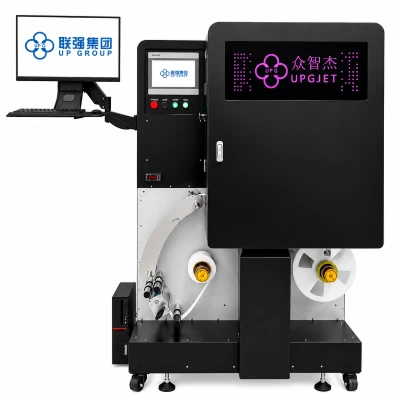
LQ-MD 230 Colorful Label Printer
1200×1200 dpi resolution
Ri drying system
Simple operation

There are many benefits to using a color label printer, not just aesthetics. Here are some of those benefits:
1. Increased Visibility
Color labels are eye-catching and easy to read, making them perfect for organizing products, inventory or personal items. Vibrant colors help convey important information quickly and reduce the likelihood of errors.
2. Customization
Color label printers allow users to create custom labels based on their specific needs. Whether for branding, product information or personal organization, designing labels in a variety of colors and styles adds a personal touch.
3. Versatility
Color label printers are versatile, from labeling jars in the kitchen to creating professional product labels for retail stores. This versatility makes them a great tool for personal and business use.
4. Increased Efficiency
With color label printers, users can quickly create labels as needed, reducing the time spent searching for pre-printed labels or handwritten information. This efficiency can increase productivity, especially in busy environments.
Tips for Maximizing the Life of Thermally Printed Labels
To ensure that thermally printed labels last as long as possible, consider the following tips:
1. Choose the right type of label; if durability is a top priority, select thermal transfer labels made of synthetic materials.
2. Store correctly: Store labels in a cool, dry place out of direct sunlight to prevent fading and deterioration.
3. Avoid overheating: Do not place the labels near a heat source, as high temperatures may cause the labels to deform or fade.
4. Test before use: If you are not sure about the durability of a certain label type, test it by exposing it to the target environment for a period of time.
Color label printers combine functionality and aesthetics to greatly enhance your labeling experience. The lifespan of thermally printed labels varies depending on a number of factors, and understanding these factors will help you make an informed decision. By choosing the right type of label, considering environmental conditions, and following storage and usage best practices, you can maximize the life of your thermally printed labels. Whether it's for your personal organization or business needs, investing in a color label printer is a step toward greater labeling efficiency and creativity.