
Die-cutting and digital cutting, which can be used to produce a variety of complex shapes and designs from a wide range of materials, are two different processes, although the two terms are often used in terchangeably. In terms of technology, application and effect, they are very different. Next, let's learn about the difference between die cutting and digital cutting.
The traditional method of die cutting, which has been used for decades in different industries such as textiles, paper crafts and packaging, the process involves the use of a die, which is a specialized tool made of metal used to cut specific shapes. The die is pressed against the material (which can be paper, cardstock, fabric or other substrate) to form the desired shape.
Flat die cutting and rotary die cutting are the two main types of die cutting, both methods are suitable for high volume production as they allow multiple parts to be cut quickly at once, flat die cutting uses a flat surface to press the die against the material, while rotary die cutting uses a cylindrical die that rolls over the material.
One of the main advantages of die cutting is the ability to produce consistent and accurate shapes, and once the dies are made, they can be reused to cut the same design, making them ideal for large projects. However, the initial setup cost of making the mold can be high, and the process is less flexible when it comes to changing designs.
Die cutting is ideal for large projects because it can be reused to cut the same design after the mold is made. There is less flexibility when it comes to changing designs, and initial setup costs can be high to produce consistent and accurate shapes.
On the other hand, digital cutting can handle a wide variety of materials, paper, vinyl fabrics, and more, utilizing the more modern methods of computer-controlled cutting machines that are equipped with blades or lasers to make intricate and detailed cuts in accordance with digital design files.
One of the most significant advantages of digital cutting is flexibility, which is especially beneficial for small businesses and business enthusiasts who may not need a large number of single designs, using software to modify the design, which allows for quick adjustments and customization without the need for new dies.
Digital cutting machines also offer a number of columns with the ability to scribe, engrave, and emboss in addition to the cutter, allowing operators to create unique and intricate designs that would be difficult to achieve with traditional die cutting.
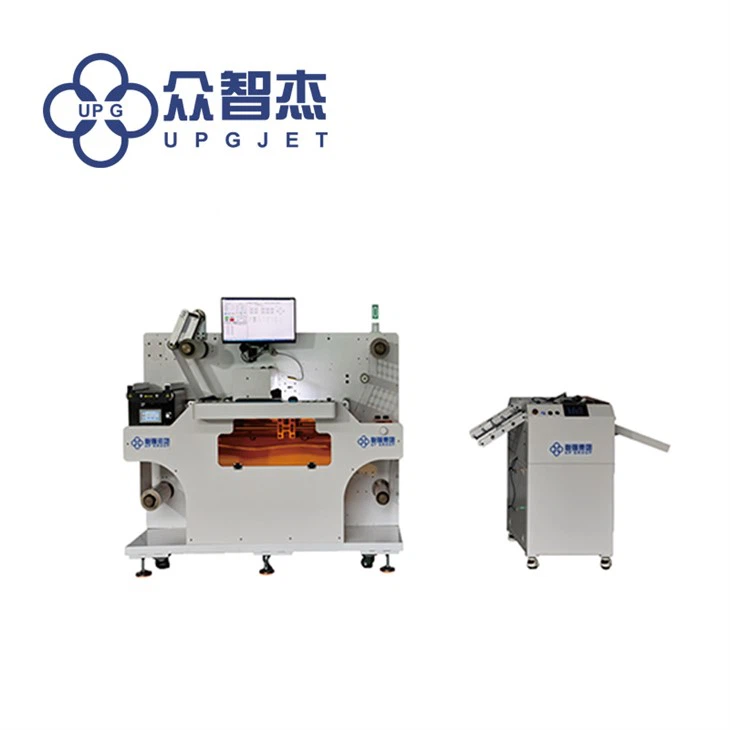
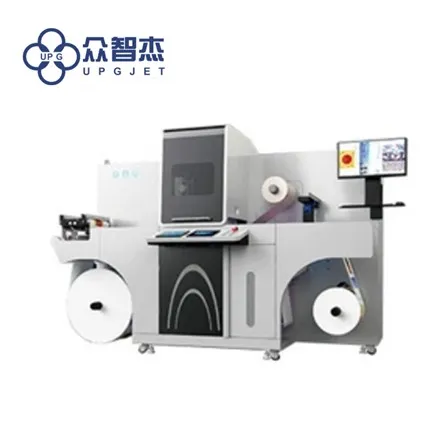
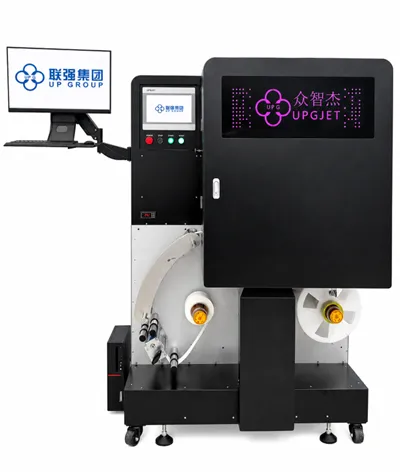
Insert here, our company produces, LQ-MD 330S Digital Cutting Machine
The overall rigid weight of the equipment leads the peers, and the superior equipment has higher cutting accuracy, betther stability and faster speed. The high-precision ball screw splitting motor is not an ordinary nut motor in the same industry. It has the advantages of higher cutting accuracy and longer service life. Adaptive tension buffer control mechanism, the tension is not affected by the width of the material, resulting in unilateral force,a nd our machanism is more stable. Modular deisgn control system, easy maintenance and replacement, clear and stable circuit connection
Key Differences Between Die Cutting and Digital Cutting
Die cutting relies on physical molds to cut various shapes while digital cutting uses computer controlled machines to cut according to digital files, the biggest difference between the two is the technology.
For die cutting, molds are required, so the cost is higher and the time will cost accordingly, on the other hand, digital cutting doesn't require any changes to the molds and the design can be changed immediately, so digital cutting is more cost-effective for small batches or for one-off projects or for projects where changes are made frequently and many times.
In terms of precision and adjustment, while both die cutting and digital die cutting can achieve precise cutting, creating more complex and fine details digital cutting machine is more adept at, the ability to adjust the depth of cut and speed also improves the precision of digital cutting.
Of the two, the digital die cutter is more versatile in terms of the materials it can be applied to, so the operator will be able to choose from different types of substrates.
For large-scale production, die-cutting is a better choice because it can cut multiple parts at the same time, while digital die-cutting machines are fast and flexible, but suitable for small quantities or personalized projects.
Digital cutting offers more design flexibility than die cutting, so creators can moreeasily create, modify and import images for cutting, which is not possible with die cutting because new molds need to be built every time a pattern is changed.
Both die-cutting and digital cutting have their own advantages, and users need to choose the method that suits their needs when choosing to use it. Those who need mass production can choose die-cutting, while those who seek flexibility and creativity can choose digital cutting.
As technology continues to advance, digital cutting is becoming increasingly popular amongst crafters, small businesses and manufacturers, the ability to create customized designs quickly and efficiently has transformed the world of crafts, making creativity easier than ever before. Whether you choose die cutting or digital cutting, both methods offer exciting possibilities for those who want to explore the world of design and craft.
The advent of digital cutting has somewhat pushed the craft industry to go deeper in creating custom designs and other features that make the creativity that users want to achieve come to life faster, so choosing either die cutting or digital die cutting, either way, brings more to the world of design and craft. Of the two, digital cutting is becoming increasingly popular and favored among craftspeople, small businesses and manufacturers, our company focuses on the production of digital cutting machines, so feel free to contact our company if you have any needs.